 Architecture
Building the manor
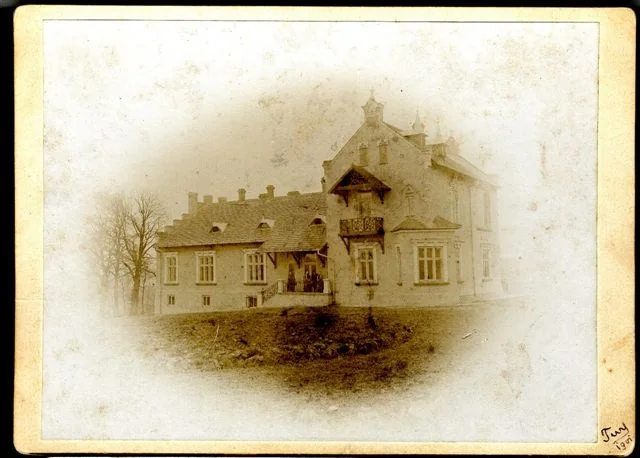
The manor was built in 1897, probably to a design by Teodor Talowski - a prominent architect active in Kraków and Lwów, and creator of many well-known tenement houses and churches. The eclectic style of the building blends Neo-Romanesque and Neo-Baroque elements, giving the manor a unique character.
 Cartography
Goszyce on the map
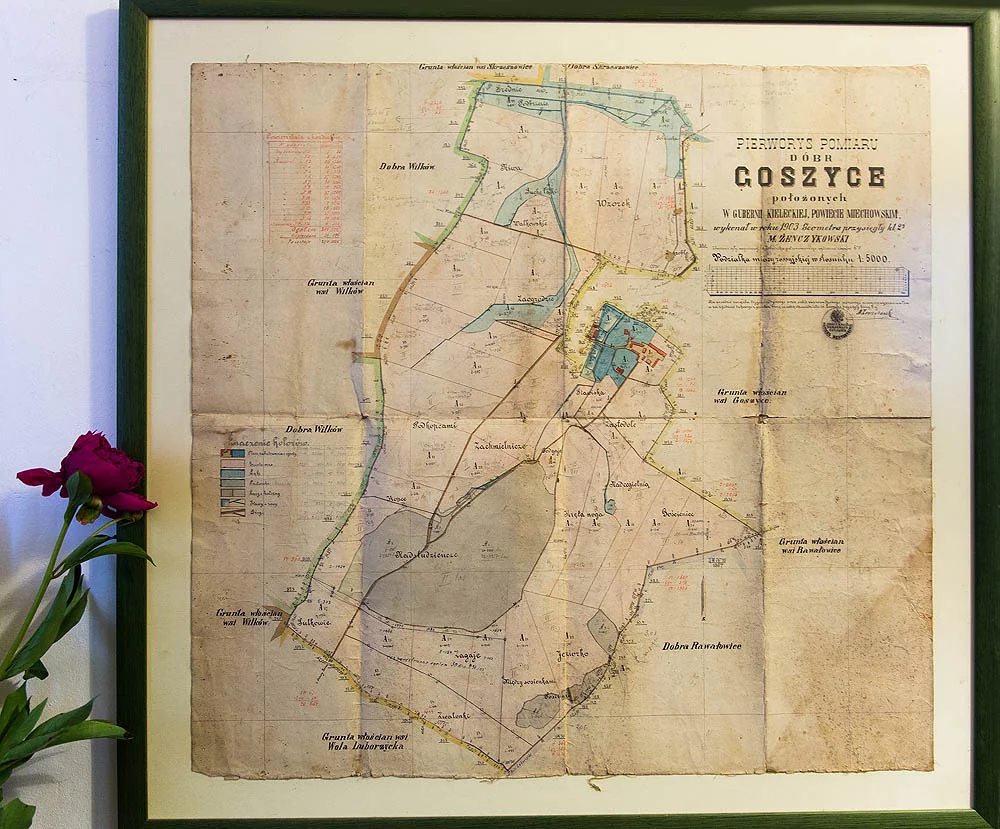
A map of Goszyce from 1903 — just six years after the manor was built — shows the layout of the village and the surrounding land. The extensive manor park, visible on the historical plans, has survived to this day largely in its original form.
 World War I
Belina's Seven
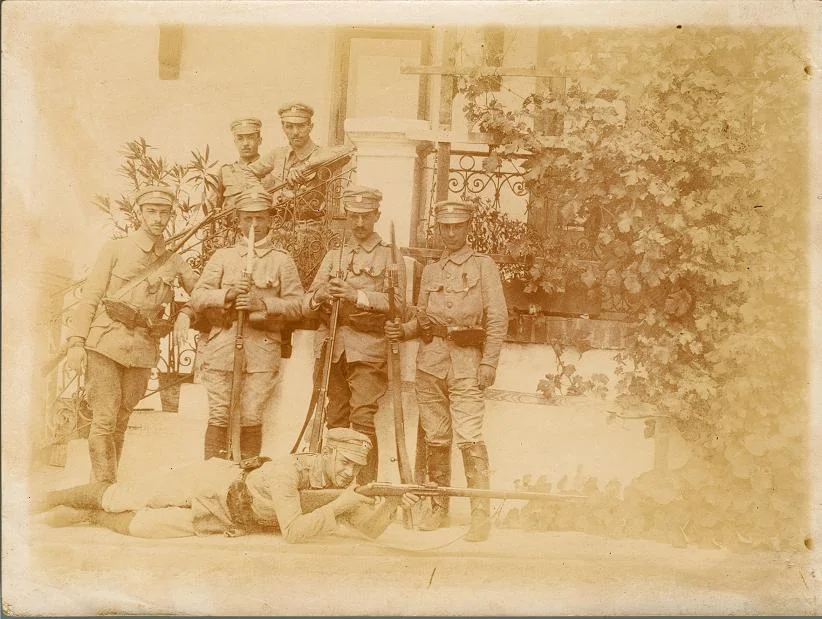
On 4 August 1914, the so-called Belina's Seven arrived at the manor — a legendary reconnaissance patrol of seven lancers under the command of Władysław "Belina" Prażmowski, forming the vanguard of Józef Piłsudski's First Cadre Company. This is where one of the pivotal moments in the fight for Poland's independence left its mark.
 Figures
Zofia Zawiszanka
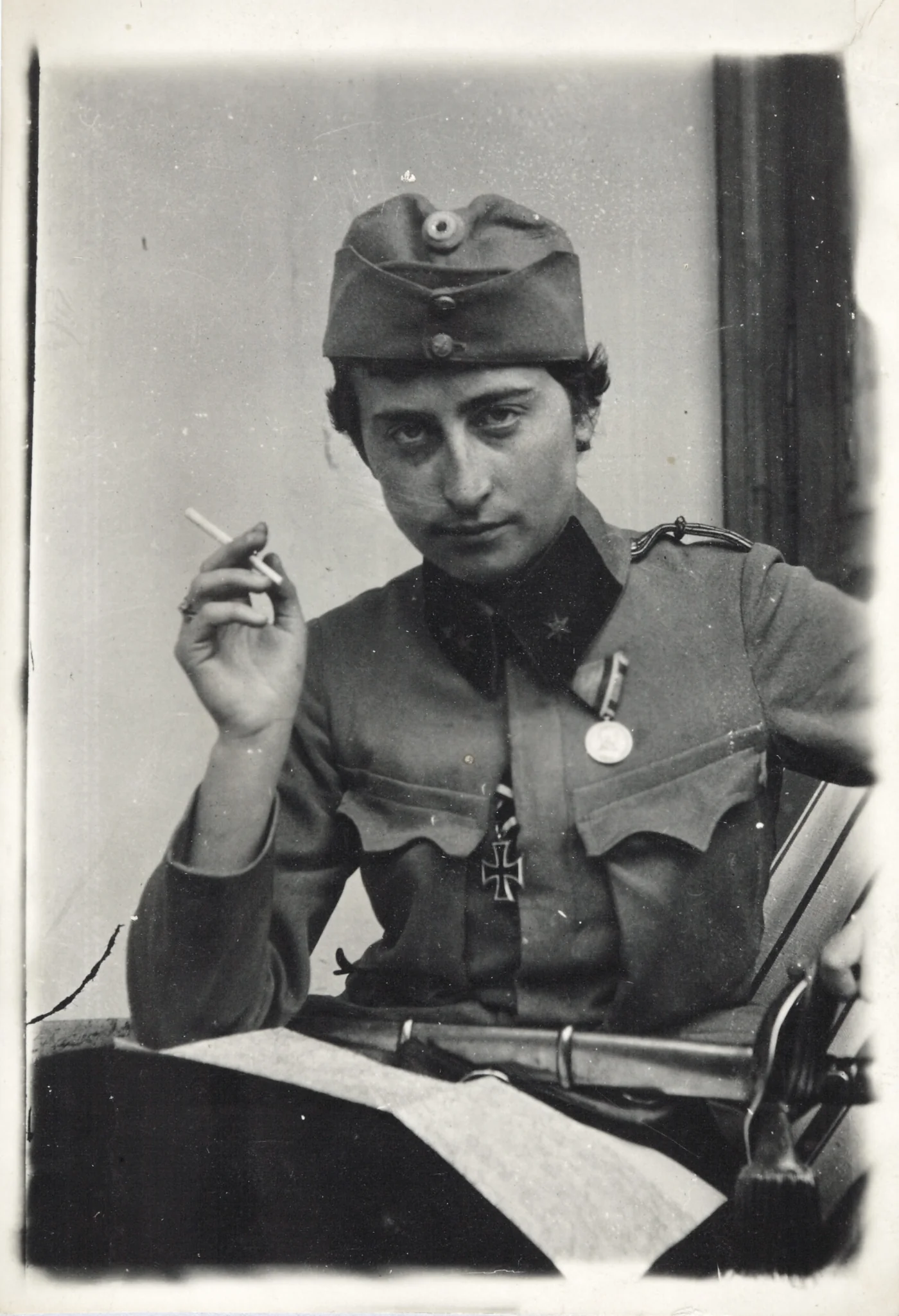
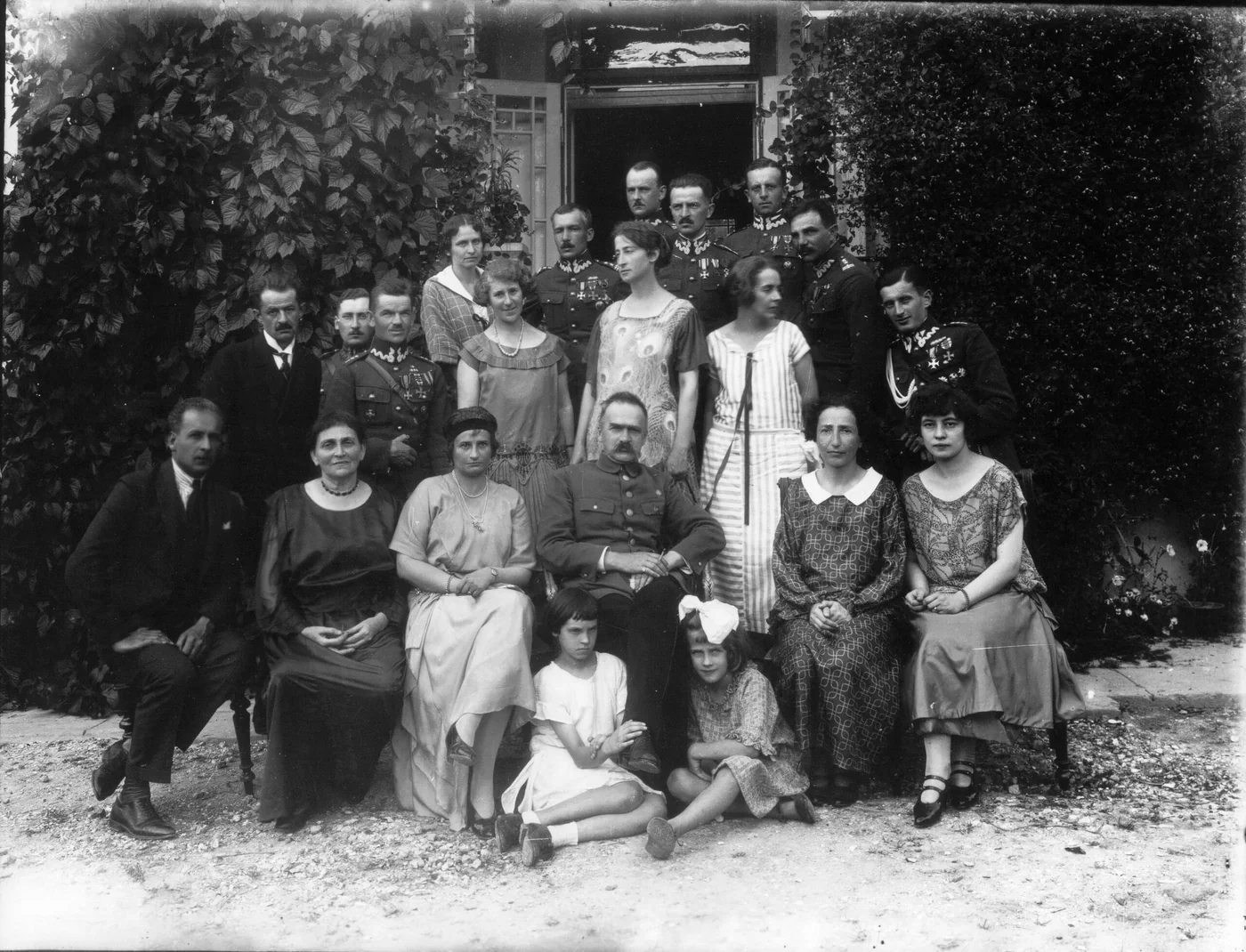
The owner of the Goszyce estate was Zofia Zawiszanka — an independence activist and poet, to whom a commemorative plaque on the manor's wall is dedicated.
 Polish history
Marshal Piłsudski's visit
In 1924, Marshal Józef Piłsudski came to Goszyce to unveil a plaque commemorating the 1914 visit of Belina's Seven.
 Literature · Nobel Prize
Czesław Miłosz
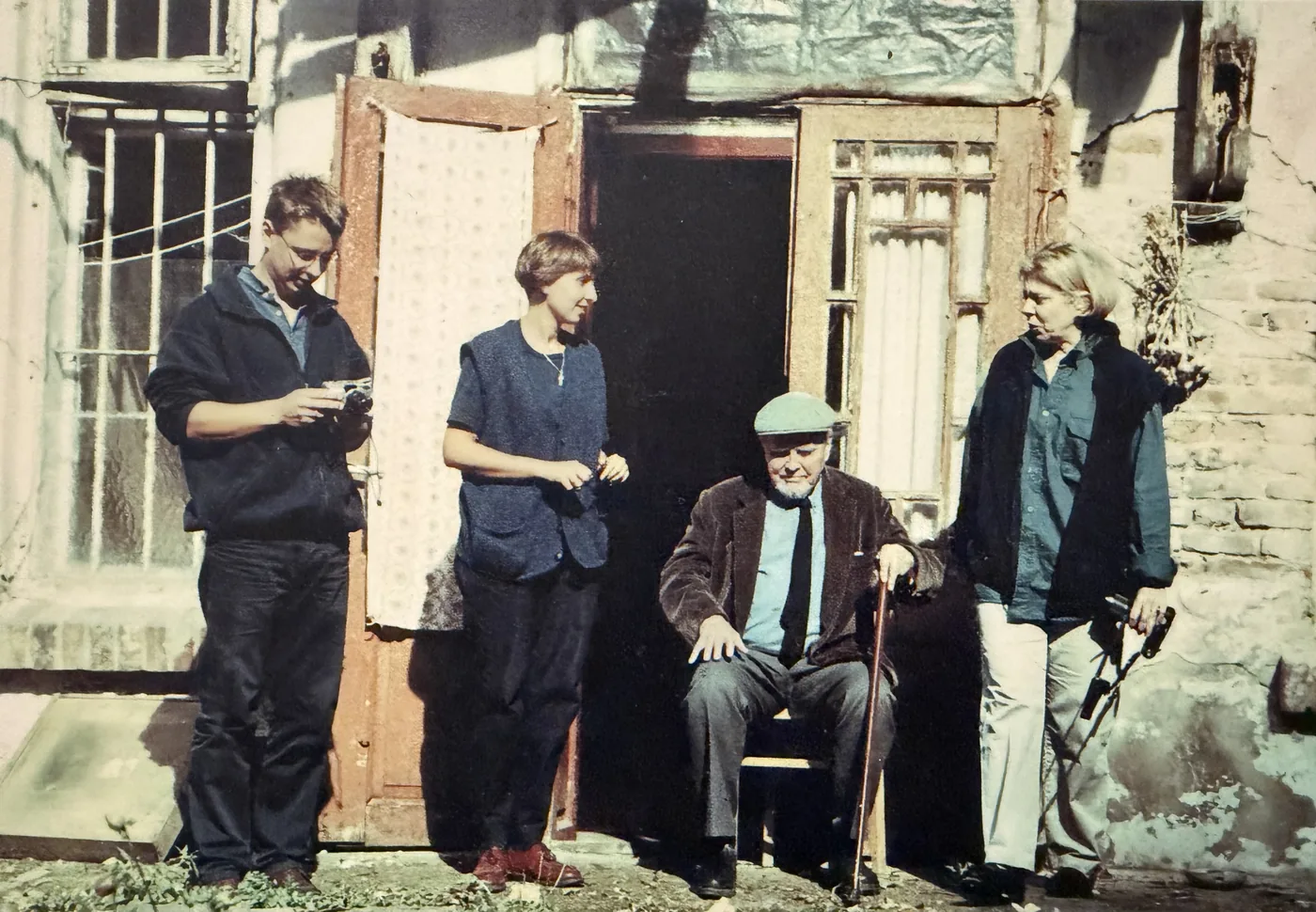
At the turn of 1944 and 1945, amid the turmoil of war, Czesław Miłosz — one of the greatest Polish poets and prose writers of the 20th century, later awarded the Nobel Prize in Literature (1980) — lived at the Goszyce manor.
 Solidarity
Lech Wałęsa's visit
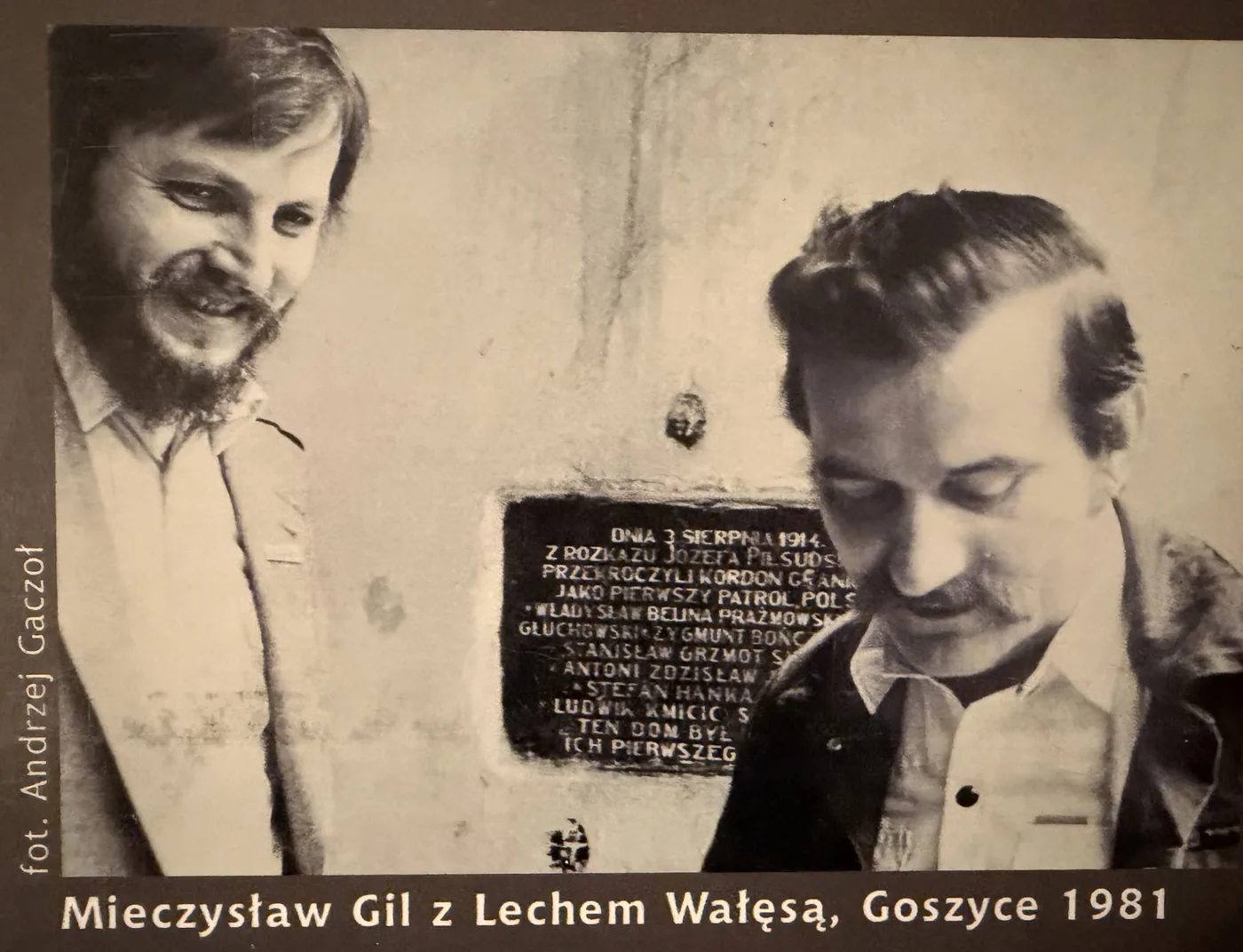
In 1981, the manor was visited by Lech Wałęsa - leader of "Solidarity", the democratic opposition movement that in 1989 led to the fall of communism in Poland.
 Revival
Nowy Dwór — 21st century
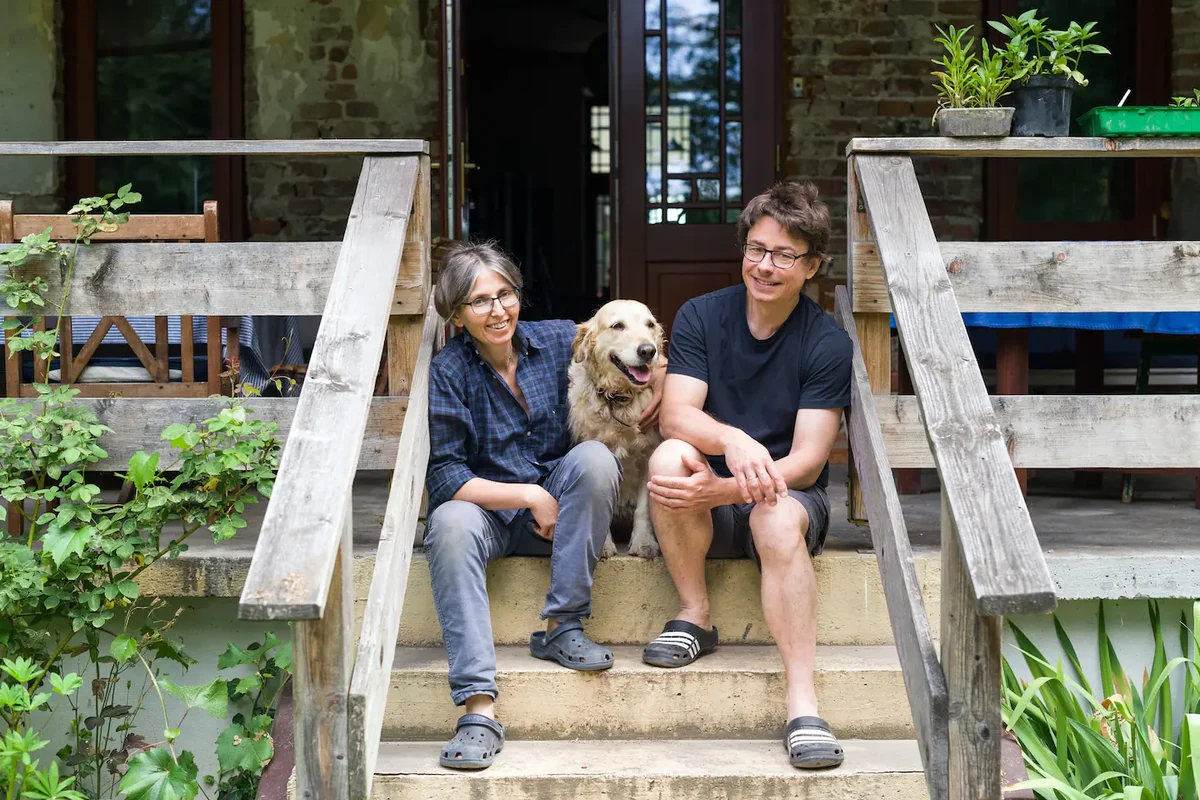
Today the manor lives again thanks to Marta and Michał Smoczyński and their three children, who spent over 20 years painstakingly rebuilding and revitalising it. They left their jobs in Kraków to breathe new life into the historic building. Now they invite guests to share this exceptional place.